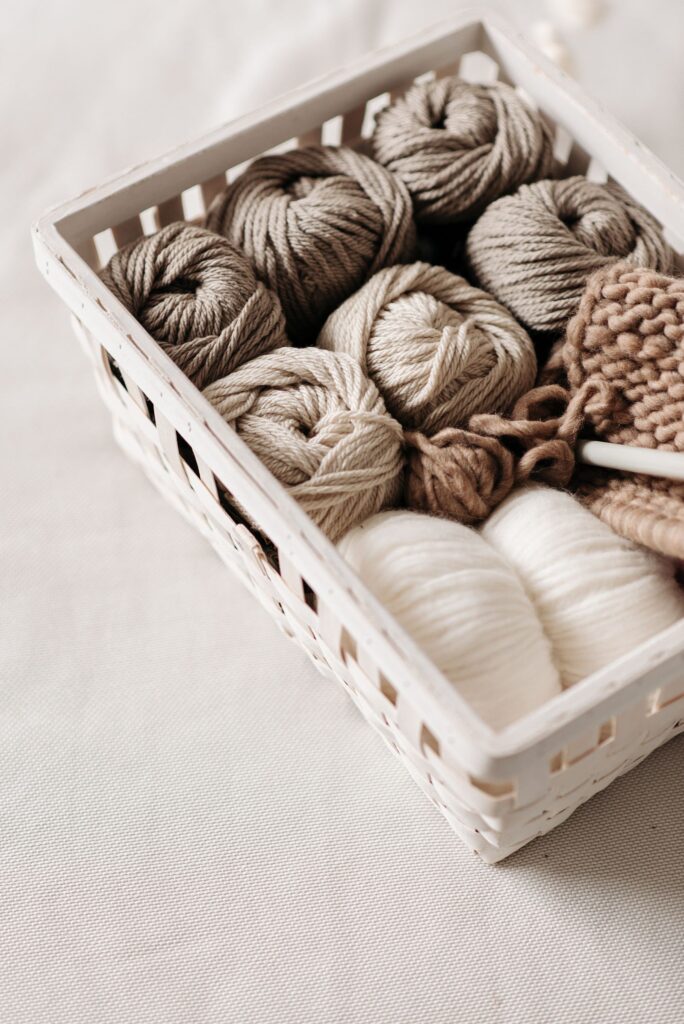
The same amigurumi pattern can look crisp and neat, soft and fuzzy, or big and squishy, depending only on the yarn you choose. Picking the right yarn makes your stitches look even, your shapes hold up and your toys last longer. Here’s how the most popular amigurumi yarns compare and which one to choose for each kind of project.
What makes a good amigurumi yarn?
- Smooth texture: so you can see every stitch and count easily.
- Little or no stretch: stretchy yarn lets stuffing push through the gaps.
- Good stitch definition: each “V” stitch should look clear and even.
- Durability: toys get hugged, washed and dragged around, so the yarn shouldn’t pill quickly.
- A wide color range: amigurumi often needs several colors in the same line.
Cotton yarn
Best for: crisp, detailed amigurumi, keychains, and toys you want to look “designer”.
Cotton (especially mercerized or “milk cotton” blends) is the favorite of many amigurumi designers. It has almost no stretch, so stitches stay tight and neat, and the stuffing never shows. Shapes look sharp and faces are easy to embroider.
- Pros: excellent stitch definition, holds its shape, washes well, doesn’t pill much.
- Cons: less forgiving and harder on the hands for long sessions; some cotton splits.
Acrylic yarn
Best for: beginners, budget projects and soft cuddly toys.
Acrylic is cheap, comes in every color imaginable and is soft and slightly stretchy. It’s easy on the hands and great for learning.
- Pros: affordable, soft, huge color range, machine washable.
- Cons: can look a little fuzzy, may pill over time, and can show stuffing if the hook is too big.
Cotton-acrylic blends
Best for: the best of both worlds.
Blends combine cotton’s stitch definition with acrylic’s softness and lower price. If you’re unsure where to start, a cotton-acrylic blend in worsted weight is a great all-round amigurumi yarn.
Chenille and velvet yarn
Best for: big, squishy plushies and quick projects.
Chenille is a thick, velvety yarn (usually weight 5–6) that makes ultra-soft toys very quickly. It’s hugely popular for jumbo plushies.
- Pros: incredibly soft, fast to work, very cute results.
- Cons: stitches are hard to see, so counting is difficult; mistakes are hard to undo; it can “worm” (pull loose) if stitches are loose. Not ideal for your very first project.
Yarns to avoid for amigurumi
- Mohair and fluffy yarns: they hide your stitches and make faces hard to embroider.
- Very stretchy yarn: the stuffing pushes through.
- Splitty, loosely plied yarn: the hook catches individual threads.
- Pure wool for toys that need washing: it can felt and shrink in the washing machine.
Which weight to use
Most patterns, including ours, use worsted (#4) yarn with a 3.5 mm hook. DK (#3) with a 2.5–3 mm hook makes smaller pieces like ornaments and keychains. Find all the details in our guide to yarn weights.
Choosing colors
- Light colors show stitches best and are easiest to learn with.
- Black and very dark yarns make stitches hard to see. Navy or charcoal are good alternatives; our kawaii penguin suggests navy for this reason.
- Pastel palettes (pink, mint, lavender, cream) give the classic kawaii look.
- Buy enough in one dye lot for larger pieces, so the color matches across the whole toy.
Safety for babies and toddlers
For toys meant for young children, choose a tightly spun cotton or acrylic yarn that doesn’t shed, embroider the eyes instead of using safety eyes, and sew every part on very securely. See our safety eyes guide for more on this.
FAQ
What is the best yarn for amigurumi beginners?
A smooth, light-colored cotton-acrylic blend or plain acrylic in worsted weight. It’s forgiving, cheap and easy to see.
Is milk cotton good for amigurumi?
Yes. Milk cotton is a soft cotton blend with good stitch definition, and it’s very popular for amigurumi.
Can I mix different yarns in one toy?
You can, as long as they’re similar in thickness. Mixing very different weights changes the size of each part.
Save this comparison to Pinterest for your next yarn shopping trip!
Cover photo: inspiration photo by Pavel Danilyuk on Pexels